Samsung’s Strategic Leap: Analyzing the Galaxy S24 Upgrade and the Road to One UI 8.5
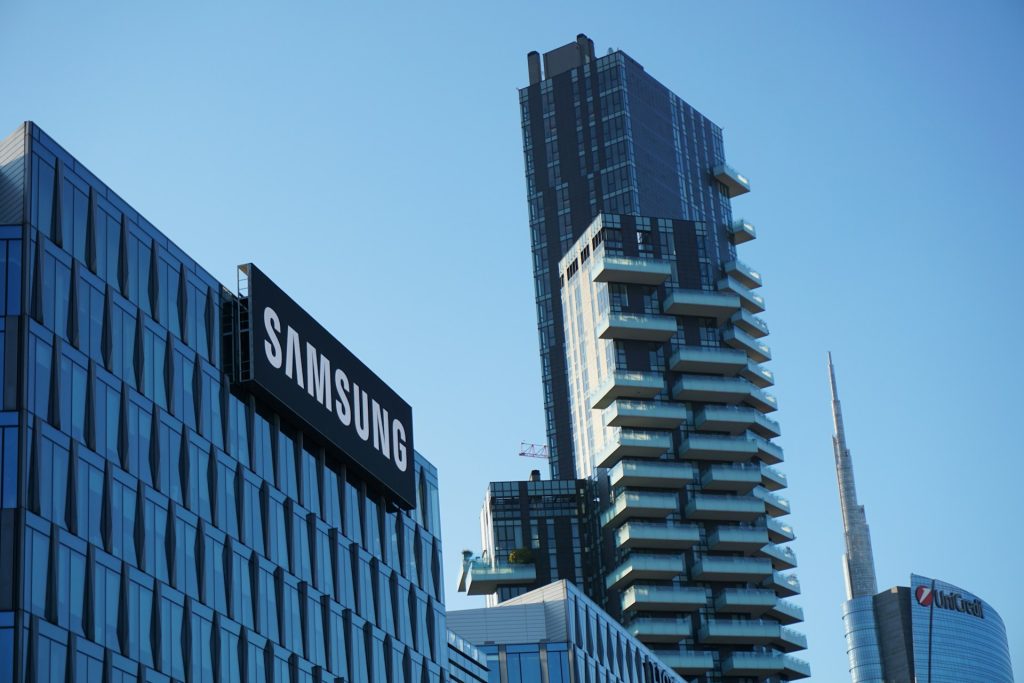
As the mobile landscape continues to shift, Samsung finds itself balancing immediate hardware advancements with a long-term software roadmap. For consumers holding onto older devices like the Galaxy S21, the release of the Galaxy S24 presents a compelling argument for an upgrade, characterized not just by raw power, but by significant efficiency gains. Simultaneously, the tech giant is already laying the groundwork for its future operating system, One UI 8.5, ensuring that both current and legacy devices remain relevant well into 2026.
The Three-Year Hardware Evolution
Comparing the 2021 Galaxy S21 against the 2024 Galaxy S24 reveals exactly how much the flagship experience has matured. While both devices feature a 6.2-inch Dynamic AMOLED display and an identical 4,000 mAh battery capacity, the similarities are largely superficial. The S24 introduces a massive leap in screen brightness, peaking at 2,600 nits compared to the S21’s 1,300 nits, making outdoor visibility significantly better. Furthermore, Samsung has transitioned away from the plastic back of the S21 to a premium Corning Gorilla Glass Victus 2 finish on the S24, offering a more refined tactile experience and improved durability.
Under the hood, the performance gap is substantial. The transition from the Snapdragon 888 (5nm) to the Snapdragon 8 Gen 3 (4nm) has revolutionized efficiency. Despite having the same battery size, the S24 demonstrates remarkable stamina, delivering over 16 hours of video playback compared to the S21’s roughly 7.5 hours. Photography has also seen a major overhaul; the 12MP main sensor of the past has been replaced by a robust 50MP shooter, supported by a 10MP telephoto lens that offers superior optical zoom capabilities. Even the base storage technology has jumped from UFS 3.0 to UFS 3.1, ensuring faster data access for the modern user.
Looking Ahead: The One UI 8.5 Roadmap
While hardware drives sales, software ensures longevity, and reports indicate that Samsung is actively developing One UI 8.5 behind the scenes. Following the rollout of One UI 8.0, this subsequent update is expected to launch alongside the Galaxy S26 series in early 2026. According to industry insiders, the rollout will occur in waves, eventually reaching a wide variety of smartphones and tablets released in recent years. Because both version 8.0 and 8.5 are based on Android 16, the eligibility rule is straightforward: any device capable of running One UI 8.0 should theoretically support 8.5.
The projected compatibility list is extensive, covering the entire spectrum of Samsung’s portfolio. Flagship support remains a priority, with the update slated for the Galaxy S25, S24, and S23 lineups, as well as older models like the S22 series and the S21 FE. Foldable enthusiasts can expect support ranging from the yet-to-be-released Galaxy Z Fold 7 down to the Fold 4 and Flip 4. The update strategy also encompasses the mid-range and budget sectors, including the A-series (such as the A55 and A15), and the Galaxy F and M lines. Tablet users are not left behind either, with the Tab S10, S9, and S8 series, alongside robust enterprise models like the Tab Active 5, expected to receive the software refresh.
From Grocery Trader to Tech Titan
This relentless pace of innovation—investing over $15 billion annually in research and development—is a far cry from the company’s humble beginnings. Established in South Korea in 1938 by Lee Byung-chul, Samsung originally operated as a trading company dealing in local groceries, specifically noodles and dried fish. It wasn’t until decades later that the company pivoted to electronics, a move that would eventually position it as a global leader in semiconductors, smartphones, and displays.
The company’s name, meaning “Three Stars” in Korean, was chosen to represent a vision of becoming vast, strong, and eternal. Today, that vision translates into massive economic influence. Samsung is a central pillar of South Korea’s economy, accounting for approximately 20 percent of the nation’s GDP and employing hundreds of thousands of workers. Whether through the tangible upgrades seen in the Galaxy S24 or the invisible software architecture of One UI 8.5, the company continues to leverage its deep historical roots to drive modern technological dominance.
 The Macro Setup: De-Risking the Supply Chain
  Volatility Hits Biotech Stocks: Larimar and TransCode Navigate Funding and Trials
  Samsung Ramps Up Android 17 Testing as Legacy Flagships Face Sunset
  Yen’s Weakness Persists Despite Fed Rate Cut, Defying Market Expectations
  Boomerang Voyages Showcases Its Resorts in Tunisia to Travel Agents
  Paycor HCM Inc.: Streamlining Workforce Management for SMBs
  Divergent Paths in Hydrogen: Bloom Energy Rides the AI Wave While the Rest of the Sector Scrambles
  Energy and Lubricants: Navigating a Shifting Global Landscape
  Germany’s Wind Energy Paradox: Grassroots Hustle Meets Offshore Headwinds