Samsung Ramps Up Android 17 Testing as Legacy Flagships Face Sunset
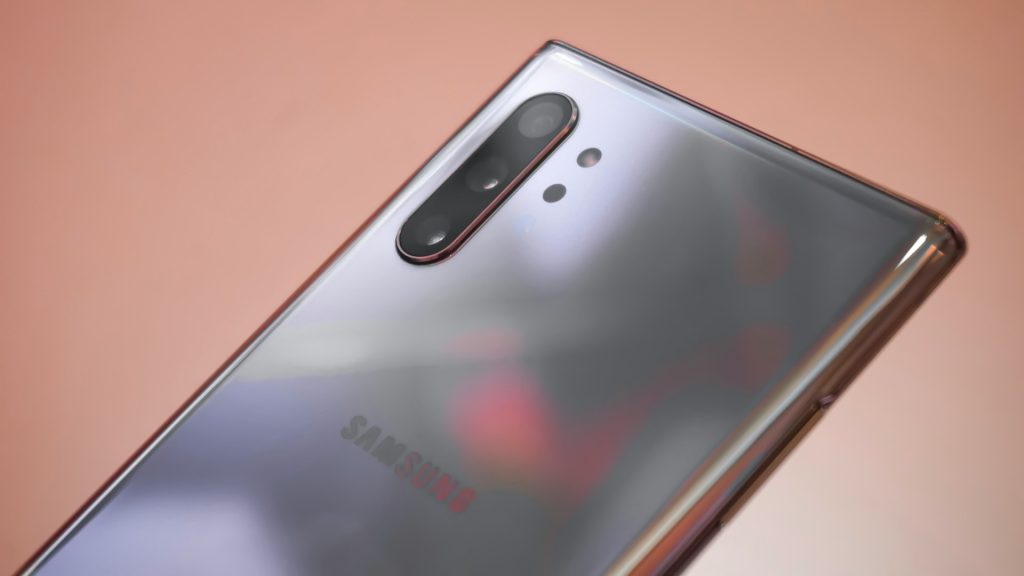
Following Google’s release of the first Android 17 beta on February 13, 2026, attention has shifted rapidly to how major manufacturers will implement the software. For Samsung users, this means the countdown to One UI 9 has officially begun. According to reports from the tech portal Sammy Fans, the South Korean giant is already conducting internal tests of the new interface, running concurrently with the ongoing rollout of One UI 8.5. While Samsung has yet to issue an official roadmap, the company’s established update policies and internal build logs offer a clear picture of what to expect in the coming months.
The One UI 9 Timeline and Device Eligibility
Industry analysts expect the official unveiling of One UI 9 to coincide with Samsung’s traditional summer launch window, likely alongside the debut of the Galaxy Z Fold 8 and Z Flip 8 in mid-2026. However, eager users might not have to wait that long to get a look at the software; a public beta program is tipped to launch as early as May 2026, initially targeting the upcoming Galaxy S-series generation.
Google’s own schedule for Android 17 suggests a beta phase running from February through April, with a final release slated for the second quarter of 2026. Based on this trajectory, a specific roster of devices is virtually guaranteed to receive the overhaul. The list includes the Galaxy S24, S25, and S26 series, along with recent foldables like the Z Fold 7 and Flip 7, and the Tab S10 and S11 lineups. Mid-range staples such as the Galaxy A56 and A36 are also expected to make the cut.
The End of the Road for the S22
With every major software leap, older generations are inevitably left behind. Current data suggests that the Galaxy S22 series, alongside the Galaxy Z Fold 4, S21 FE, and Galaxy A53, will likely remain on One UI 8.5, marking the end of major OS upgrades for these former flagships.
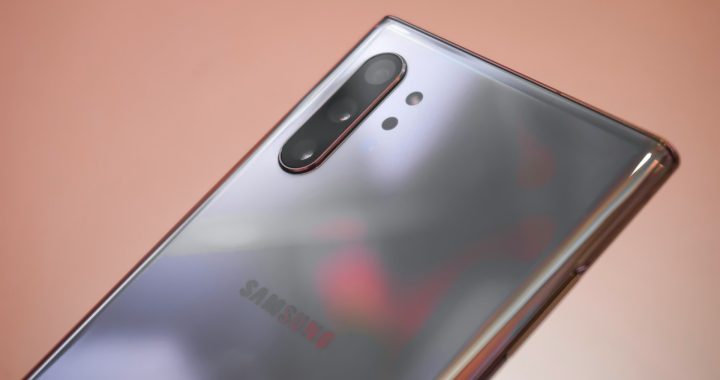
This potential sunsetting turns the page on the Galaxy S22 Ultra, a device that has long served as the crown jewel of its lineup. At launch, the Ultra distinguished itself with a sophisticated, posh design and the integrated S Pen, while the standard S22 and S22 Plus offered a more approachable, no-frills aesthetic. Despite aging out of future software cycles, the hardware remains formidable. The Ultra features a massive 6.8-inch display capable of intelligently scaling its refresh rate from 1fps to 120fps based on content. The smaller siblings, utilizing 6.1-inch and 6.6-inch panels respectively, manage a variable rate between 48Hz and 120Hz.
Under the hood, these devices were built on a split-chipset strategy, utilizing top-tier Qualcomm Snapdragon silicon or Samsung’s own Exynos hardware depending on the region. The 4nm Qualcomm chips featured a high-performance Cortex-X2 core clocking 3000 MHz, while the Exynos 2200 variants introduced an AMD RDNA 2 GPU—bringing ray tracing to mobile gaming for the first time. While official pricing structures shifted following the release of the Galaxy S23, the S22 trio remains a fixture in the secondary market, offering high-end specs at a significantly reduced entry cost.
From Grocery Exports to Tech Titans
The evolution of the Galaxy series is just a recent chapter in a surprisingly long corporate history. While modern consumers associate Samsung strictly with smartphones, televisions, and semiconductors, the company’s origins are far more humble. The business was founded in 1938 as a grocery export outfit in South Korea, dealing primarily in dried fish and noodles.
The name “Samsung” translates to “Three Stars,” a motif that was heavily featured in the company’s early logos. Over the decades, the conglomerate expanded into vastly different sectors before dominating consumer electronics. Interestingly, the corporation was involved in the construction of the Burj Khalifa and previously operated its own e-sports organization, the Samsung Galaxy team. They even dipped their toes into pop-culture tie-ins early on, releasing a specialized “Matrix” phone in the early 2000s—a far cry from the polished, 4nm-processed supercomputers appearing in pockets today.
 Volatility Hits Biotech Stocks: Larimar and TransCode Navigate Funding and Trials
  Samsung’s Strategic Leap: Analyzing the Galaxy S24 Upgrade and the Road to One UI 8.5
  Yen’s Weakness Persists Despite Fed Rate Cut, Defying Market Expectations
  Boomerang Voyages Showcases Its Resorts in Tunisia to Travel Agents
  Paycor HCM Inc.: Streamlining Workforce Management for SMBs
  Nextech3D.AI Corp.: Expanding the Boundaries of Augmented Reality and 3D Tech
  Gold Plunges Amid Risk-On Rotation While Goldman Stands Firm on S&P 500
  Midfield Market Heat: Wharton’s Premier League Tug-of-War and Liverpool’s Firm Stance on Real Madrid
  Samsung Ramps Up Android 17 Testing as Legacy Flagships Face Sunset